Primary School Report Comments: Free ACARA-Aligned Examples (2026)
What Are General Report Comments?
General report comments cover the things that apply across all subjects: effort, attitude, behaviour, social skills, and personal growth. Most Australian primary schools include a general or "personal and social" section in their reports alongside subject-specific comments.
These comments matter because they tell parents who their student is in the classroom, not just what they scored on a maths test. They are also some of the hardest to write without sounding generic.
Below are ready-to-use general report comments organised by category. Use them as starting points and swap in specific details for each student. A comment that says "Emma has grown in confidence this semester, particularly when presenting her research projects to the class" lands better than "Emma has grown in confidence this semester."
For subject-specific comment examples, see our Year 3 report card comment examples. For tips on getting through report season faster, see our guide on how to write report comments.
Effort and Work Habits
Consistently Strong Effort
- "[Student] consistently applies themselves to all learning tasks with focus and determination. They take pride in producing high-quality work."
- "[Student] demonstrates a strong work ethic across all learning areas. They approach new challenges with enthusiasm and persistence."
- "[Student] is a diligent learner who manages their time well and stays focused during independent work. They consistently meet deadlines and complete tasks to a high standard."
- "[Student] takes responsibility for their own learning and actively seeks feedback to improve their work."
- "[Student] approaches all tasks with a positive attitude and a genuine desire to do their best. Their dedication to learning is evident in the quality of their work."
Developing Effort
- "[Student] is learning to manage their time during independent tasks and is making progress with staying on track."
- "[Student] has shown improvement in their focus during class activities this semester. With continued practice, they will build greater independence in their work habits."
- "[Student] is developing the ability to persevere when tasks become challenging. They are learning that effort leads to improvement."
- "[Student] responds well to encouragement and is beginning to take more initiative in completing tasks independently."
- "[Student] is working on developing consistency in their effort across all learning areas. They show strong engagement in areas of personal interest."
Needs Support
- "[Student] is supported to stay focused during learning tasks through structured routines and regular check-ins."
- "[Student] benefits from clear expectations and step-by-step guidance when approaching new tasks. They are learning to ask for help when needed."
- "[Student] is working on building their stamina for extended tasks. Shorter, focused activities help them stay engaged and produce their best work."
Social Skills and Collaboration
Strong Social Skills
- "[Student] is a kind and considerate class member who consistently supports their peers. They approach group work with a cooperative attitude."
- "[Student] demonstrates excellent interpersonal skills. They listen respectfully to others, share their ideas confidently, and resolve disagreements calmly."
- "[Student] is a valued member of our classroom community. They include others in activities and show empathy when classmates need support."
- "[Student] works effectively in group situations, taking on different roles and contributing to shared goals. They value the perspectives of others."
- "[Student] is a natural leader who encourages and supports their peers. They model respectful communication and positive teamwork."
Developing Social Skills
- "[Student] is learning to work cooperatively with others and is developing their ability to share ideas and listen to different perspectives."
- "[Student] is building their confidence in group settings. They contribute more willingly when working with familiar peers."
- "[Student] is developing their ability to resolve minor disagreements independently. They respond well to guidance on using respectful language."
- "[Student] is learning to take turns during group discussions and to consider the ideas of their classmates alongside their own."
Needs Support
- "[Student] is supported to develop their social skills through structured group activities and explicit teaching of cooperation strategies."
- "[Student] benefits from adult support when navigating social situations. They are learning to express their feelings using appropriate language."
- "[Student] is working on developing their ability to share resources and take turns during collaborative activities."
Growth and Improvement
- "[Student] has shown real growth this semester, particularly in their willingness to take on challenges and push through when things get difficult."
- "[Student] has developed much greater independence this term. They are learning to manage their time well during class activities."
- "[Student] has grown in confidence this semester and is increasingly willing to share their ideas with the class."
- "[Student] sets high standards for themselves and works hard to achieve their goals. Their commitment to learning is impressive."
- "[Student] has made pleasing progress across all learning areas this semester. They respond well to feedback and consistently strive to improve their work."
- "[Student] has shown significant growth in their ability to work independently. They now approach new tasks with confidence and a willingness to try."
- "[Student] has matured noticeably this semester. They take greater responsibility for their learning and are more reflective about their progress."
- "[Student] has developed a stronger growth mindset this term. They are beginning to see challenges as opportunities rather than obstacles."
Areas for Development (Positive Framing)
- "[Student] would benefit from developing greater persistence when tasks become challenging. We are working on growth mindset strategies together."
- "[Student] is encouraged to take more risks in their learning and to see mistakes as opportunities for growth."
- "[Student] is working on developing their organisational skills. Using a daily checklist has helped them stay on track with classroom routines."
- "[Student] would benefit from practising active listening during whole-class discussions. This will help them engage more fully with learning."
- "[Student] is encouraged to contribute their ideas more often during group activities. Their thoughts are valued by their peers and teachers."
- "[Student] is developing their ability to work independently without frequent reassurance. Building this confidence is a focus for next semester."
- "[Student] would benefit from spending more time reviewing their work before submitting it. Developing a self-editing habit will help improve the quality of their output."
- "[Student] is learning to manage their emotions during challenging moments. They are developing strategies to stay calm and refocus."
End-of-Semester and End-of-Year Closers
Semester 1
- "We look forward to [Student]'s continued growth and development throughout the remainder of the year."
- "[Student] has made a strong start to the year and we are excited to see their continued progress in Semester 2."
- "We look forward to building on [Student]'s achievements as we move into the second half of the year."
- "[Student] should be proud of the progress they have made this semester. We look forward to seeing them continue to grow."
Semester 2
- "[Student] should be proud of everything they have achieved this year. We wish them all the best for next year."
- "It has been a pleasure teaching [Student] this year. They have grown as both a learner and a person, and we are confident they will continue to thrive."
- "[Student] has had a wonderful year and is well prepared for the challenges and opportunities ahead."
- "We are proud of [Student]'s achievements this year and confident they will continue to succeed in the years ahead."
Tips for Personalising General Comments
These comments work as starting points, but the best report comments are specific. Here is how to make them your own:
- Add a concrete example. Instead of "shows strong effort", try "showed strong effort during the persuasive writing unit, voluntarily revising their work three times."
- Reference a specific moment. "Since the class camp in Term 2, [Student] has shown greater confidence in group settings."
- Name the strategy that helped. "Using a visual planner has helped [Student] manage their time more effectively during independent tasks."
- Connect growth to the curriculum. "Their growing confidence in oral presentations was evident during the HASS inquiry project."
The more specific you are, the more parents feel you genuinely know their student.
How ReportRocket Handles General Comments
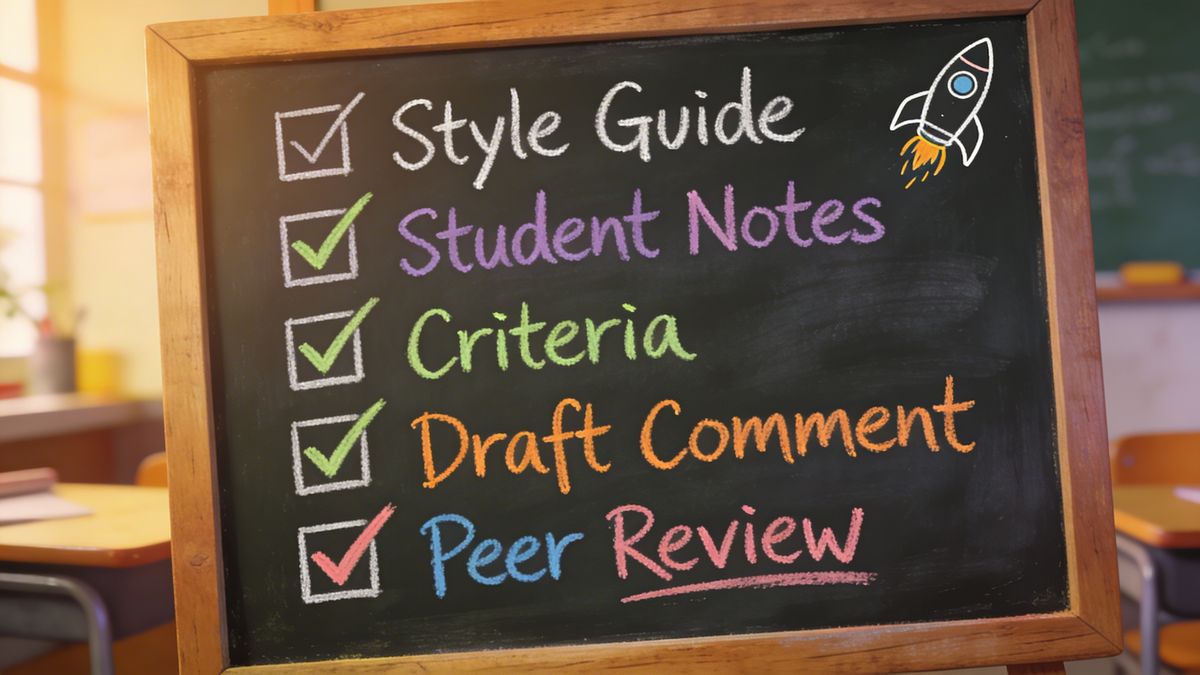
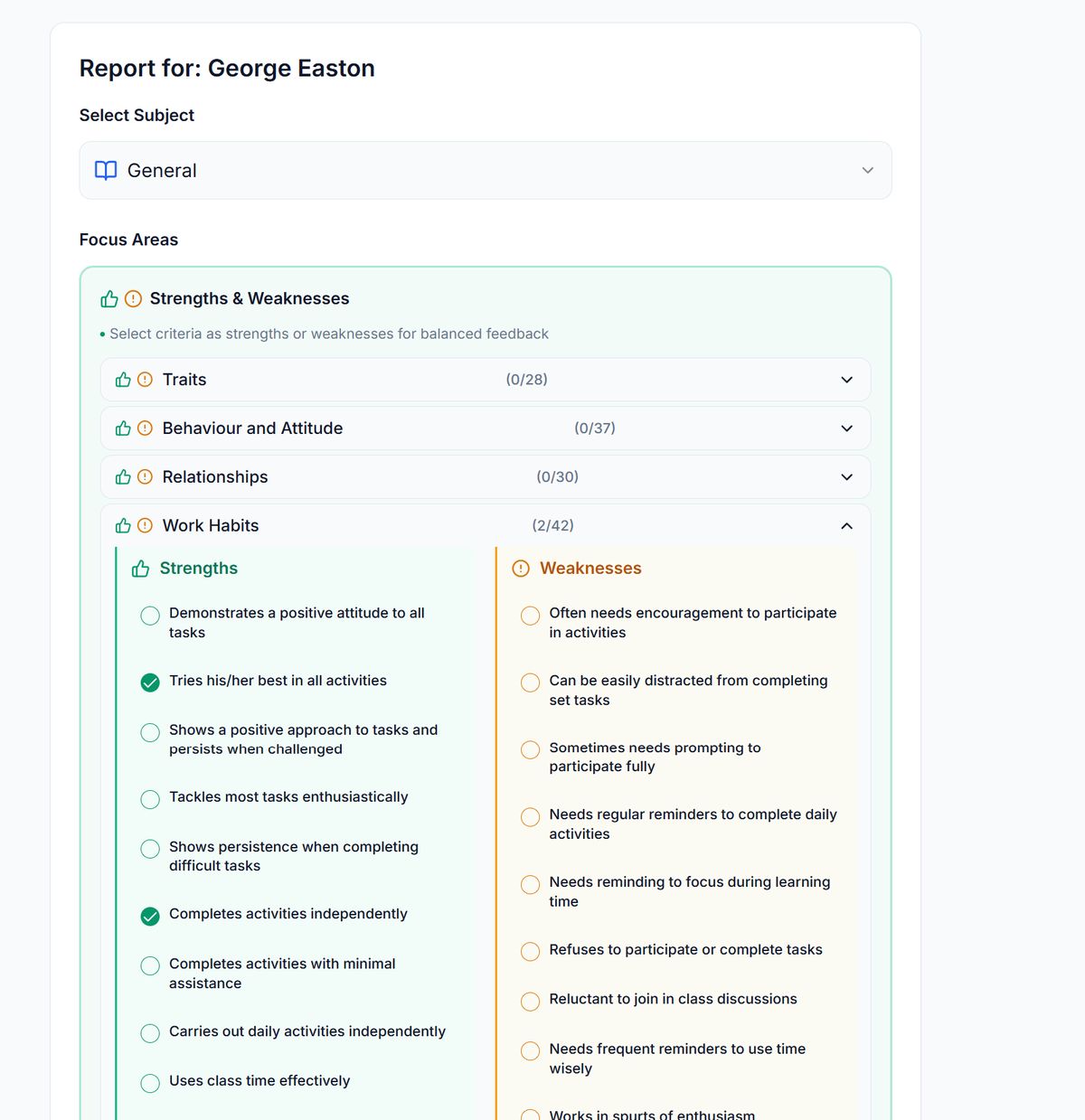
ReportRocket generates personalised report comments for Australian primary teachers using ACARA V9.0 curriculum criteria. When you select criteria for a student, choose their proficiency level, and add your notes, ReportRocket generates a comment that follows your school's style guide automatically.
Every comment is unique because the inputs are unique. The criteria you select for one student will differ from the next, and your custom notes add the personal details that make comments specific.
For a complete subject-by-subject report comment bank, we have put together a collection organised by learning area with examples at each proficiency level.
ReportRocket is an AI school report writer that helps Australian primary teachers write personalised, curriculum-aligned report comments in seconds. Try it free.
Jandrie Lombard
Founder of ReportRocket. 30 years in IT, now building tools that help Australian primary teachers write better reports in less time. Read more →